The Viral Story That Captured Headlines
A story about an Australian tech entrepreneur using ChatGPT to help save his dog from cancer spread rapidly across social media and news outlets, becoming exactly the kind of validation that artificial intelligence companies have long sought. The narrative was compelling: Paul Conyngham, a Sydney-based businessman with no medical or biological background, turned to AI when veterinarians said nothing more could be done for his Staffordshire terrier, Rosie.
The initial reporting suggested that after traditional chemotherapy failed to shrink Rosie's tumors, Conyngham used ChatGPT to develop a personalized cancer vaccine that ultimately saved his dog's life. The story resonated because it seemed to prove that AI could democratize medical expertise and tackle one of medicine's most challenging problems: cancer.
However, as with many viral AI success stories, the reality behind the headlines reveals a far more nuanced picture. The case highlights both the potential and the limitations of AI in veterinary medicine, while raising important questions about how we interpret and share stories about artificial intelligence breakthroughs.
"When I first heard about using AI for my dog's cancer treatment, I was skeptical but desperate. The reality of what happened was much more complex than the simple narrative that emerged."
— Paul Conyngham, tech entrepreneurThe Medical Reality Behind Cancer Treatment
Cancer treatment in both humans and animals involves incredibly complex biological processes that require years of specialized training to understand. Veterinary oncology, while sharing many principles with human oncology, has its own unique challenges and considerations. The development of personalized cancer vaccines represents cutting-edge medical technology that typically requires extensive laboratory facilities, specialized equipment, and deep expertise in immunology.
Traditional cancer treatment protocols for dogs often include surgery, chemotherapy, and radiation therapy, similar to human treatments but adapted for canine physiology. When these standard approaches fail, veterinary oncologists may consider experimental treatments or clinical trials. The process of developing any new cancer therapy typically involves multiple stages of testing and validation to ensure both safety and efficacy.
The suggestion that a non-medical professional could successfully develop an effective cancer vaccine using AI assistance raises significant questions about the complexity of the underlying science. While AI can certainly assist in data analysis and pattern recognition, the translation of that information into a safe and effective medical treatment requires substantial additional expertise and resources.
| Traditional Treatment | Success Rate | Typical Timeline | Key Considerations |
|---|---|---|---|
| Surgery | 60-90% | Immediate | Depends on tumor location and stage |
| Chemotherapy | 30-70% | 3-6 months | Side effects, drug resistance |
| Radiation Therapy | 40-80% | 2-4 weeks | Requires specialized equipment |
| Immunotherapy | 20-50% | Ongoing research | Experimental, limited availability |
Understanding AI's Actual Capabilities in Medicine
Artificial intelligence has shown remarkable promise in various aspects of medical care, from diagnostic imaging to drug discovery. Large language models like ChatGPT can process vast amounts of medical literature and provide information synthesis that might take human researchers considerable time to compile. However, there are critical distinctions between information processing and medical practice that often get lost in popular narratives.
AI excels at pattern recognition, data analysis, and literature review. It can quickly identify relevant research papers, summarize treatment protocols, and even suggest potential therapeutic approaches based on existing knowledge. These capabilities make it a valuable research tool for medical professionals who understand how to interpret and apply the information appropriately.
However, AI systems have significant limitations when it comes to medical applications. They cannot conduct physical examinations, interpret complex clinical presentations in context, or make nuanced decisions that require understanding of individual patient factors. Most importantly, they cannot replace the experimental validation required to prove that a treatment is both safe and effective.
The gap between AI-assisted research and actual medical treatment is substantial. While AI can suggest potential approaches based on scientific literature, translating those suggestions into safe, effective treatments requires extensive testing, regulatory approval, and clinical validation that AI cannot provide on its own.
The Current State of Veterinary AI Applications
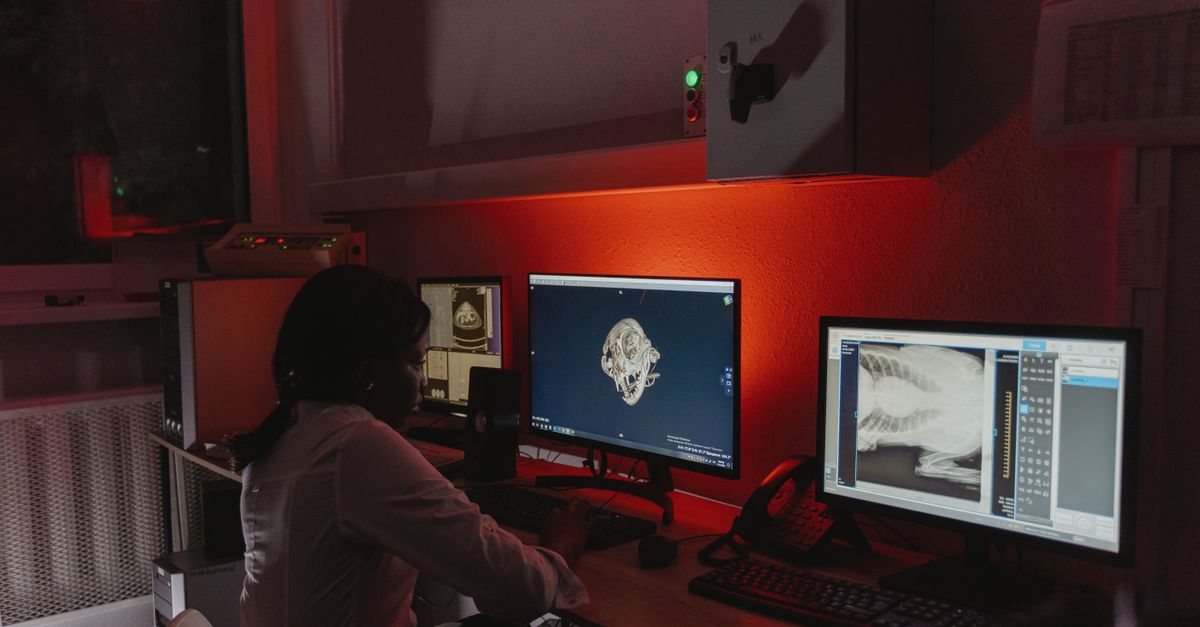
Veterinary medicine has been slower to adopt AI technologies compared to human healthcare, but several promising applications are emerging. Most current veterinary AI systems focus on diagnostic imaging, helping veterinarians identify conditions like fractures, tumors, or cardiac abnormalities in X-rays, ultrasounds, and other imaging studies.
Some veterinary practices are using AI-powered tools for clinical decision support, helping veterinarians review treatment options based on current research and clinical guidelines. These systems serve as sophisticated reference tools rather than independent diagnostic or treatment systems, requiring veterinary expertise to interpret and apply their recommendations appropriately.
The regulatory environment for veterinary AI applications differs significantly from human medical AI. While human medical devices undergo rigorous FDA approval processes, veterinary applications often face less stringent requirements. However, this doesn't mean that veterinary AI can operate without oversight or validation, particularly when it comes to treatment recommendations.
"AI can be a valuable tool for veterinarians, but it should complement, not replace, clinical expertise. The complexity of animal health requires human judgment that current AI systems simply cannot provide."
— Dr. Sarah Mitchell, veterinary oncologistCurrent research in veterinary AI focuses on areas where the technology's strengths align well with clinical needs: pattern recognition in imaging, analysis of large datasets for population health insights, and literature review for evidence-based practice. These applications represent realistic and valuable uses of AI that can improve veterinary care without overstepping the technology's current limitations.
Investigating the Claims: What Really Happened
A deeper examination of the original story reveals significant gaps between the viral narrative and the documented facts. While Paul Conyngham did indeed consult ChatGPT about his dog's condition, the role of AI in the eventual treatment appears to have been far more limited than initial reports suggested.
The development of personalized cancer vaccines requires sophisticated laboratory capabilities, including genetic sequencing, protein synthesis, and sterile manufacturing facilities. These resources are typically available only through specialized research institutions or pharmaceutical companies, not through AI consultations alone.
Veterinary oncologists familiar with canine cancer treatment point out that many factors can influence a dog's response to treatment, including the natural course of the disease, concurrent treatments, and individual immune system variations. Without controlled studies, it's impossible to determine what specific intervention, if any, was responsible for any improvement in the dog's condition.
The timeline and logistics of developing, testing, and administering a personalized vaccine also raise questions about the feasibility of the described process. Legitimate vaccine development typically requires weeks or months of laboratory work, safety testing, and regulatory review, even for experimental treatments.
How Viral Stories Shape AI Perceptions
The rapid spread of this story illustrates how media coverage and social media amplification can transform complex medical situations into simplified narratives that support broader technological optimism. The appeal of stories where AI saves lives taps into both our hopes for technological solutions and our desire for accessible medical breakthroughs.
Tech companies and AI advocates have powerful incentives to promote success stories that demonstrate their technologies' potential impact. These narratives help attract investment, regulatory support, and public acceptance for AI applications in healthcare and other critical sectors.
However, oversimplified success stories can create unrealistic expectations about AI capabilities and potentially dangerous misconceptions about medical treatment. When people believe that AI can independently develop effective cancer treatments, they may delay seeking appropriate professional medical care or make risky treatment decisions based on AI recommendations.
The challenge for journalists and media outlets lies in balancing the legitimate excitement about AI's potential with accurate reporting about its current limitations. Stories that capture public imagination often do so precisely because they bypass the complex realities that make medical breakthroughs so difficult to achieve.
Regulatory and Ethical Implications
The case raises important questions about regulation and oversight of AI applications in veterinary medicine. Currently, most AI systems used for medical information are not subject to the same regulatory scrutiny as actual medical devices or treatments, creating potential gaps in safety and efficacy standards.
Professional veterinary organizations emphasize that AI tools should be used only under appropriate veterinary supervision, with qualified professionals responsible for interpreting recommendations and making treatment decisions. This standard of care helps protect animals from potentially harmful interventions while allowing beneficial AI applications to flourish.
Ethical considerations include the responsibility of AI companies to clearly communicate their systems' limitations and appropriate uses. When AI platforms are used for medical consultations, users need to understand that the information provided requires professional interpretation and validation before any treatment decisions are made.
| Regulatory Body | Jurisdiction | AI Medical Device Approvals | Veterinary AI Guidelines |
|---|---|---|---|
| FDA (US) | United States | 200+ approved | Limited specific guidance |
| EMA (Europe) | European Union | 50+ approved | Under development |
| TGA (Australia) | Australia | 20+ approved | General medical device rules |
| AVMA | Professional guidance | N/A | Professional standards only |
The development of appropriate regulatory frameworks for veterinary AI applications will likely require collaboration between technologists, veterinary professionals, and regulatory agencies to ensure that innovation can proceed safely while protecting animal welfare.
The Real Future of AI in Veterinary Medicine
Despite the complexities revealed by this case study, AI does hold genuine promise for improving veterinary care in several key areas. Diagnostic imaging AI systems are already showing impressive accuracy rates in identifying various conditions, potentially helping veterinarians catch diseases earlier and more accurately.
Clinical decision support systems that help veterinarians access relevant research and treatment guidelines could improve the consistency and quality of care, particularly in areas where specialized knowledge is limited. These systems work best when they augment rather than replace professional expertise.
Research applications of AI, including drug discovery and treatment protocol optimization, may eventually lead to breakthrough therapies for animal diseases. However, these advances will likely come through traditional research and development processes rather than through direct AI-generated treatments.
"The future of AI in veterinary medicine lies not in replacing veterinarians, but in giving them better tools to diagnose, treat, and care for their patients. The technology's greatest value will come from enhancing human expertise, not circumventing it."
— Dr. Michael Chen, veterinary technology researcherRealistic expectations about AI's role in veterinary medicine will be crucial for realizing its benefits while avoiding potential harms. This includes understanding that AI systems are tools that require professional expertise to use effectively and safely.
Critical Lessons for AI Adoption in Healthcare
The viral dog cancer story offers several important lessons for how we approach AI adoption in healthcare settings. First, the complexity of medical treatment cannot be understated, and AI systems must be designed and used with full appreciation of this complexity.
Second, the importance of professional oversight in medical AI applications cannot be overstated. Even the most sophisticated AI systems require human expertise to interpret their outputs and make appropriate treatment decisions. This is particularly true in veterinary medicine, where patients cannot self-advocate and rely entirely on professional judgment for their care.
Third, the need for rigorous testing and validation of AI-assisted treatments is just as important as for traditional therapies. Anecdotal success stories, while compelling, cannot replace controlled studies and peer review in establishing the safety and efficacy of medical interventions.
Finally, the responsibility of media, technology companies, and healthcare professionals to communicate accurately about AI capabilities and limitations is crucial for maintaining public trust and ensuring appropriate use of these technologies.
Sources
Frequently Asked Questions
No, the reality was much more complex than the viral headlines suggested. While the dog owner did consult ChatGPT about his pet's condition, the actual role of AI in any treatment was far more limited than initially reported. The story highlights the gap between AI information processing and actual medical treatment.
AI cannot independently develop safe and effective cancer vaccines. While AI can help researchers analyze data and review literature, developing vaccines requires sophisticated laboratory facilities, safety testing, and regulatory approval that go far beyond what current AI systems can provide.
Current legitimate applications include diagnostic imaging analysis, clinical decision support systems that help veterinarians access research, and data analysis for population health insights. These applications work best when they augment rather than replace veterinary expertise.
Pet owners should never rely on AI systems alone for medical decisions about their animals. Any AI-generated information should be discussed with qualified veterinary professionals who can interpret the information appropriately and make safe treatment recommendations based on proper examination and expertise.
Regulatory oversight for veterinary AI is currently less developed than for human medical AI. Most veterinary AI applications face less stringent requirements than human medical devices, though professional veterinary organizations emphasize that AI tools should only be used under appropriate veterinary supervision.