The Future of Marketing Automation: AI-First Workflows in 2026

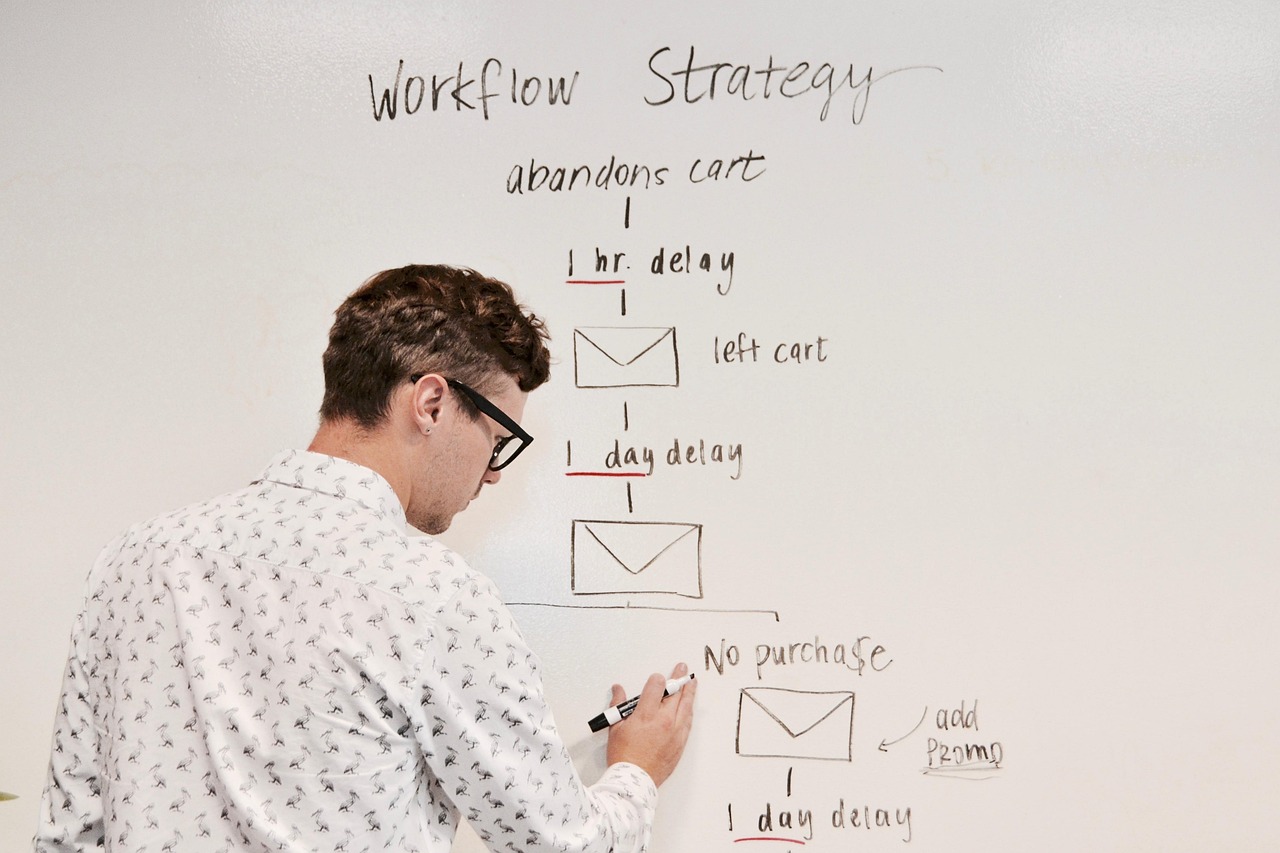
Marketing automation is on the verge of a transformation. Where traditional automation focused on process automation and workflow optimization, we are now shifting toward AI-first workflows that make marketing teams fundamentally more efficient. In 2026, we are seeing a revolution in how brands organize their marketing thanks to advanced AI technologies and intelligent automation.
The Shift Toward AI-First Marketing Workflows
In recent years, we have seen how marketing automation tools have continued to evolve. But 2026 marks a turning point: the end of simple rule-based automation. Marketing teams are transitioning to intelligent, AI-powered workflows that learn, adapt and optimize without constant human intervention.
This means that marketers can shift their focus from task management to strategic issues. While AI takes over the repetitive work, teams can concentrate on creativity, strategy development and relationship management.
Key Trends in Marketing Automation 2026
Several trends define the current automation landscape. These trends will determine how marketing teams structure their operations in the coming years:
- No-Code AI Automation - Marketers can now build advanced AI workflows without having to write code. Platforms like ActiveCampaign and HubSpot enable teams to set up custom automation in minutes.
- Predictive Lead Scoring - AI analyzes behavioral patterns and automatically converts the most likely leads. This significantly increases the efficiency of sales teams.
- Real-Time Personalization - Automation tools use AI to instantly adapt content, offers and communication based on user behavior.
- Cross-Channel Orchestration - Integrated workflows that automatically coordinate messages across email, SMS, push notifications and social media for a seamless customer experience.
- Model Context Protocol (MCP) - A new protocol that helps AI models better understand and interact with marketing data and systems.
"The difference between automation and AI-first workflows is dramatic. With AI, we can work predictively instead of reactively. This truly changes how efficient teams can be." - Marketing strategist and industry expert
Practical Examples of AI-Powered Workflows
Let's look at how AI automation works in practice for various marketing scenarios:
E-commerce Lead Nurturing: An AI system receives a new website visitor, analyzes their browsing behavior, determines their likelihood to purchase, and automatically sends personalized product recommendations via email and retargeting ads. Everything happens without manual intervention.
Content Scheduling: AI analysis of calendar patterns, timezone information and engagement metrics automatically determines the best time to post content. For multi-channel campaigns, timing is coordinated across all channels.
Intelligent Lead Routing: When a qualification criterion is met, AI automatically routes the lead to the most suitable sales representative based on expertise, workload and historical conversion rates.
Comparison of Leading Automation Platforms
The current market offers several strong players, each with unique advantages:
- HubSpot - Excellent for small-to-medium businesses. Native AI automation, good integrations and user-friendly interface.
- ActiveCampaign - Specialist in customer experience automation with advanced personalization capabilities.
- Marketo - Enterprise-grade platform with advanced lead scoring and complex workflow capabilities.
- Klaviyo - Specialized in e-commerce automation with strong email and SMS capabilities.
- Brevo - Cost-effective option with solid AI features and good support for growing teams.
Preparing for the Future of Marketing Automation
How can marketing teams prepare for these changes? Here are the key steps:
- Data Audit: Make sure your marketing data is clean, consistent and well-organized. AI only performs well with quality data.
- Training: Ensure your team understands how AI automation works and how to optimally configure workflows.
- Integration Strategy: Evaluate how your automation platform connects to your existing tech stack (CRM, analytics, e-commerce, etc).
- Continuous Optimization: Make it a habit to regularly evaluate automation workflows and adjust them based on performance data.
- Privacy Compliance: Ensure all your automation complies with GDPR, CCPA and other regulations.
The Future Is Now
Marketing automation is evolving rapidly. Teams that start implementing AI-first workflows today will have a competitive advantage tomorrow. The question is no longer whether you need automation, but how you can best leverage the most advanced automation platforms.
Want to discover which automation tools are best suited for your team? Check out our complete guide to the best AI marketing automation tools of 2026 and find the perfect solution for your organization.