Research: 77% of Marketers Now Use AI Tools in 2026

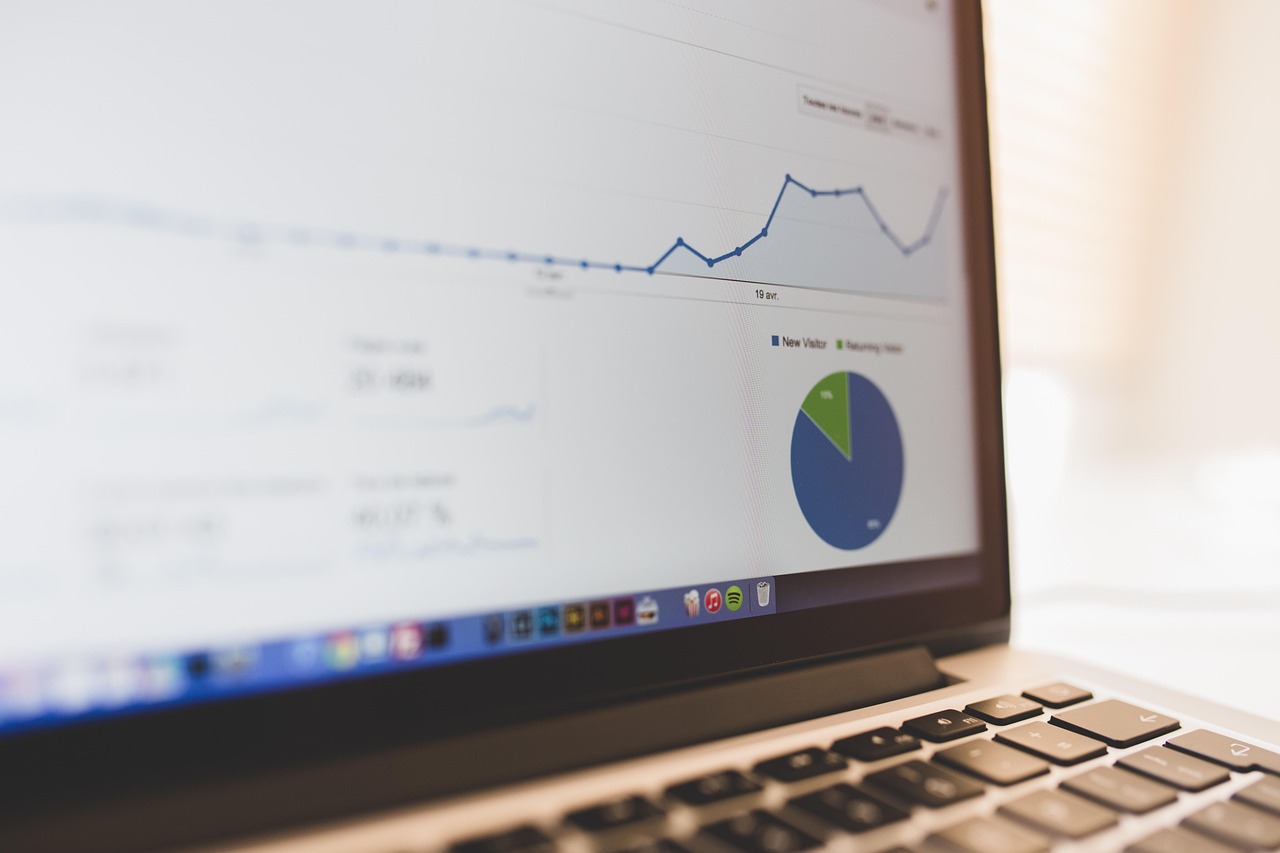
A large-scale study of more than 3,200 marketing professionals in Europe shows that the adoption of AI tools in marketing has reached a tipping point. No less than 77% of surveyed marketers indicate they actively use at least one AI tool in their daily work. In 2024, this percentage was still at 42%.
Key Research Findings
The study, conducted by the Digital Marketing Institute in collaboration with McKinsey, reveals a number of striking trends:
- 77% active usage - More than three-quarters of all marketers use at least one AI tool daily or weekly
- 34% budget increase - The average budget for AI marketing tools has increased by 34% compared to last year
- 2.8x ROI - Companies that deploy AI tools report an average of 2.8 times more return on their marketing investments
- 63% time savings - Marketers save an average of 63% of their time on repetitive tasks thanks to automation
- 91% satisfied - Of the marketers who use AI tools, 91% indicate they are satisfied to very satisfied
Most Popular AI Tool Categories
Not all AI tools are embraced equally enthusiastically. The research shows clear preferences when it comes to the categories that marketers use most:
- AI copywriting and content creation (68%) - Tools like ChatGPT, Jasper, and Copy.ai dominate the landscape. Marketers use them for blog posts, social media copy, and ad copy
- AI analytics and reporting (54%) - Predictive analytics and automated reporting are rapidly gaining ground among data-driven teams
- AI SEO tools (49%) - Keyword research, content optimization, and technical SEO audits are increasingly supported by AI
- AI design and visual content (41%) - From social media visuals to complete branding packages, AI design tools are growing steadily
- AI email marketing (38%) - Personalization at scale and optimized send times are the most valued features
Budget Allocation and Investments
The research shows that organizations are actively shifting their marketing budgets toward AI-driven solutions. On average, marketing departments now spend 22% of their total tooling budget on AI-specific solutions, compared to 12% in 2024.
Notably, mid-sized companies (50-250 employees) are the fastest growers. This group has increased their AI investments by an average of 47%, driven by the need to compete with larger players without proportionally increasing staff.
"We see a fundamental shift in how marketing teams work. AI is no longer a nice-to-have, but a core component of the marketing stack. Teams that don't invest in AI tools now risk falling behind irreversibly within two years." - Dr. Martijn Koopmans, Lead Researcher Digital Marketing Institute
Challenges in AI Adoption
Despite the enthusiasm, marketers encounter a number of persistent obstacles when implementing AI tools:
- Data privacy and compliance (61%) - GDPR regulations make it complicated to use customer data in AI models. Many organizations struggle with which data they can safely deploy
- Learning curve and training (52%) - It takes time to get teams working effectively with new AI tools. On average, it takes 3-4 months before a team is optimally productive
- Integration with existing systems (48%) - Connecting AI tools to existing CRM, CMS, and marketing automation platforms remains a technical challenge
- Quality control (39%) - AI-generated content still requires human review to ensure brand values, tone-of-voice, and factual accuracy
- Costs and scalability (33%) - While individual tools are affordable, costs add up when teams deploy multiple AI solutions simultaneously
ROI Improvements by Sector
The impact of AI tools varies significantly by sector. E-commerce companies report the highest ROI improvements, with an average increase of 340% on advertising spend thanks to AI-driven targeting and personalization.
The B2B sector follows with an average ROI improvement of 220%, primarily driven by AI-supported lead scoring and content personalization. The services sector shows growth of 180%, mainly through more efficient customer segmentation and automated follow-up campaigns.
Predictions for the Coming Years
Based on current trends and expert interviews, the research makes several predictions for the near future:
- By 2027, it is expected that 90% of all marketers will use at least one AI tool
- AI-generated content will account for 40% of all marketing content by the end of 2026
- Fully automated campaigns will become the norm for email marketing and social media advertising
- The market for AI marketing tools will grow to an estimated value of €48 billion worldwide by 2028
- Hybrid teams of human marketers and AI assistants will become the standard operating model
The report emphasizes that the key to success lies not only in adopting AI tools, but in building a culture where humans and machines collaborate effectively. Organizations that invest in training, clear processes, and ethical guidelines reap the greatest benefits from the AI revolution in marketing.
Want to get started with AI in your marketing strategy? Check out our overview of the best AI copywriting tools of 2026 and discover which tools best suit your team.